



Wearable GPS Trackers: The Data-Driven Athlete

Wearable GPS (Global Positioning System) trackers have become an indispensable tool in modern football, outfitting players from elite academies to professional first teams. While early versions of athlete tracking began appearing in the early 2000s, the compact, high-precision GPS vests we see today became standard kit for top clubs around 2010-2012. These devices are not just about knowing where a player is; they are sophisticated data-gathering units that serve as the foundation for performance analysis and physical preparation.
The main problem these devices solve is the lack of objective, quantifiable data on a player’s physical performance during training and matches. Before GPS tracking, coaches relied on subjective observation and simple tests to gauge a player’s work rate, fitness, and fatigue. It was impossible to accurately measure total distance covered, the number of high-intensity sprints, top speed, or accelerations and decelerations for every single player in every single session. This guesswork made it difficult to optimize training loads and prevent injuries caused by overtraining or undertraining.
From a computer engineering standpoint, a sports-grade GPS tracker is fundamentally different from the GPS in your phone or car due to Sampling Rate and Sensor Fusion. While your phone typically updates its position once per second (1 Hz), a professional player’s vest contains a high-performance GNSS (Global Navigation Satellite System) receiver operating at 10 Hz to 18 Hz. This means it recalculates the player’s position 10 to 18 times every second. Wearable GPS trackers make the sporting world better by enabling a highly personalized and scientific approach to player development and team management. The data collected allows fitness coaches to tailor training sessions to individual needs, ensuring players hit specific physical targets. It helps in monitoring player loads to prevent burnout and reduce the risk of soft-tissue injuries. For tactical coaches, the data reveals the physical demands of different positions and formations, helping them make informed decisions about player selection and substitutions based on real-time fatigue levels.
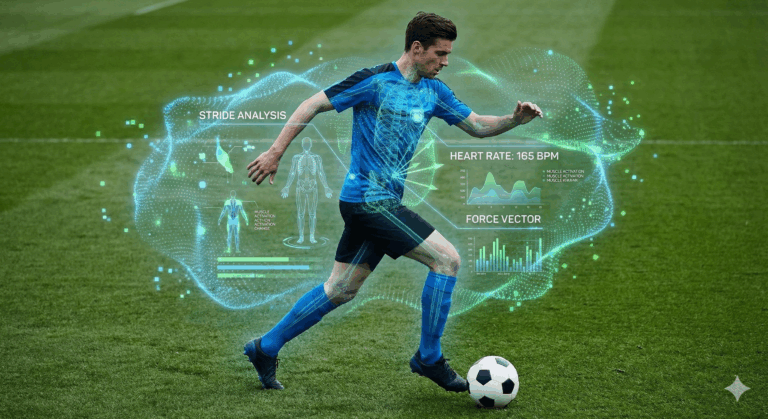
The tangible proof of their impact is the universal adoption of this technology by virtually every professional football club globally. Teams now have massive databases of player performance data. For instance, a typical Premier League player might cover 10-12 kilometers in a match, with dozens of sprints exceeding 25 km/h. This data is used to benchmark performance, track a player’s physical development over seasons, and even aid in contract negotiations and scouting. The reduction in preventable muscle injuries in many clubs is directly attributed to better load management enabled by GPS data.

Comments :