



Scouting Databases: The Global Talentnet
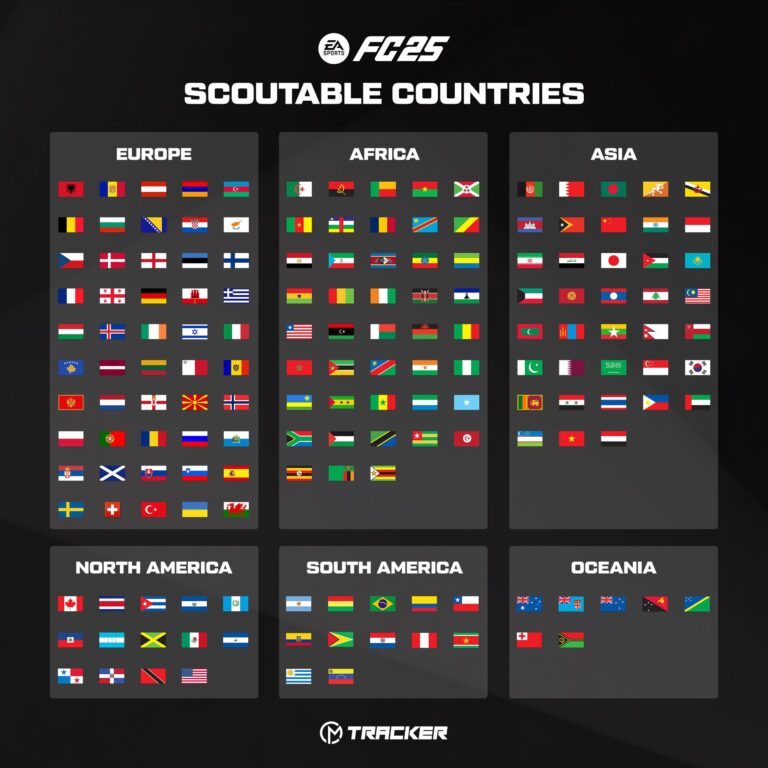
The world of football scouting has been revolutionized by the move from a network of old men in raincoats scribbling in notebooks to massive, global, computer-engineered databases. The development of comprehensive, video-and-data-integrated scouting platforms like Wyscout, Scout7 (now part of Opta), and InStat really took off in the early-to-mid 2010s, shrinking the football globe.
The main problem these databases solve is the inefficiency and geographical limitation of traditional scouting. A club could only scout players they could physically go and see, severely limiting their talent pool. Finding a promising young left-back in the second division of Argentina or a hidden gem in the Japanese league was a matter of luck or immense expense. There was no central repository to compare players across different leagues and continents objectively.
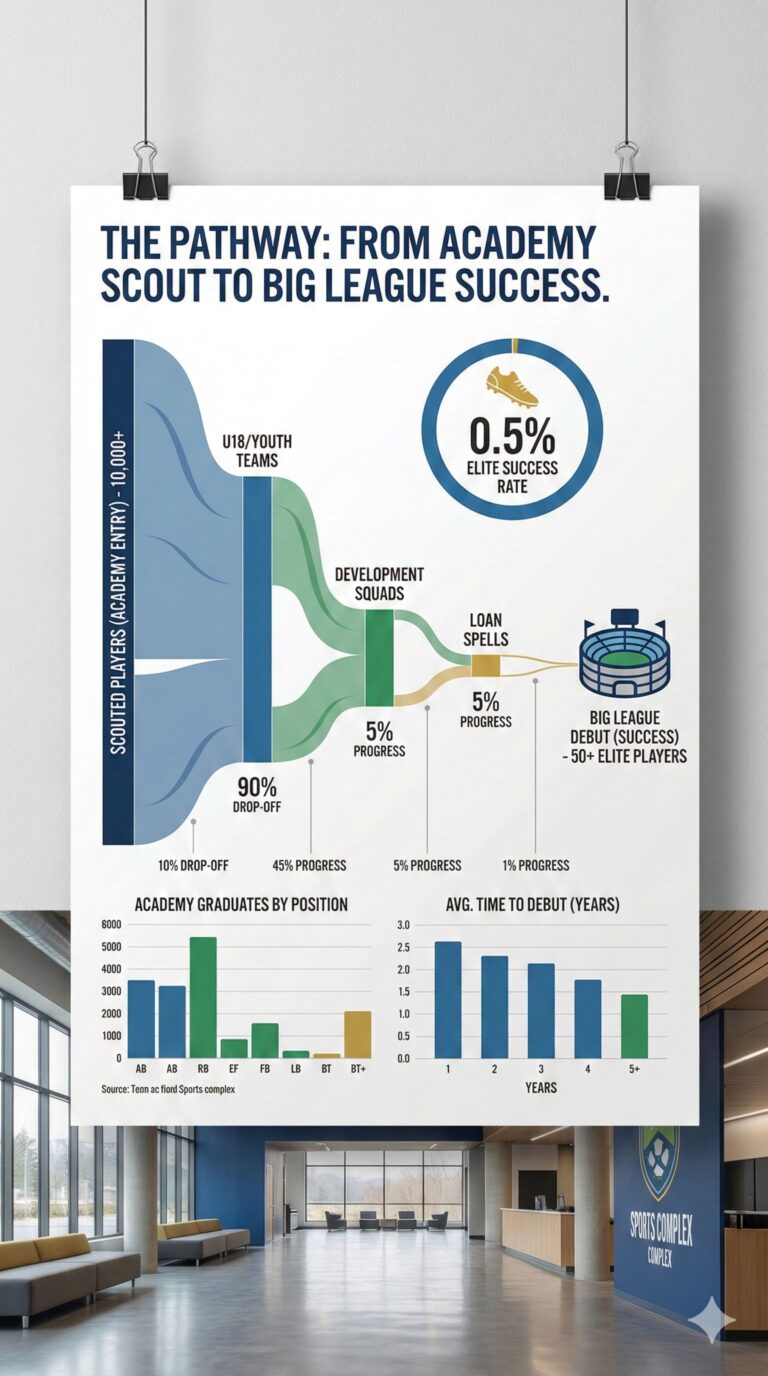 Scouting databases make the sporting world better by democratizing access to talent and making recruitment more objective and efficient. These platforms aggregate match footage and detailed performance data from thousands of leagues worldwide. A scout in London can now instantly pull up the video clips of every left-footed cross made by a player in Brazil over the last season, alongside their statistical profile compared to league averages. It allows clubs to filter thousands of players down to a manageable shortlist based on specific data metrics before ever booking a plane ticket.
The proof of their impact is that the vast majority of international transfers today begin with a search in one of these databases. Clubs like Brighton & Hove Albion and Brentford FC have famously built their success on data-driven scouting models, unearthing undervalued talent from lesser-known markets. The data is tangible: a club can set a filter for “center-backs under 23, with >85% pass completion, and >5 aerial duels won per game” and get a list of 50 candidates globally in seconds. This has made the transfer market more efficient and global than ever before.

Comments :