



Electronic Performance and Tracking Systems (EPTS): The Bench’s Digital Dashboard

Electronic Performance and Tracking Systems (EPTS) are the integrated ecosystem that brings live physical and tactical data directly to the coaching staff on the bench during a match. FIFA first allowed the use of such systems for communication with the technical area during the 2018 World Cup. This technology closes the loop between the data being collected on the pitch (by GPS vests and cameras) and the decision-makers on the sideline.
The main problem EPTS solves is the disconnect between real-time match events and the coaching staff’s ability to make informed, data-backed decisions in the heat of the moment. Before live EPTS, coaches had to rely on their eyes and gut feelings to decide if a player was tired, if a tactical shift was working, or who to substitute. Data was something reviewed after the game, not during it when it could affect the outcome.
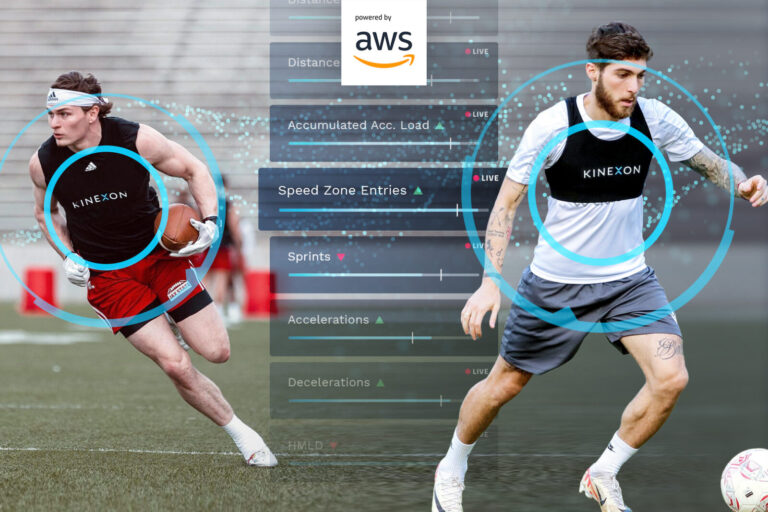
EPTS makes the sporting world better by providing a live stream of critical information to a tablet in the dugout. A team analyst in the stands or a video room can send specific video clips, tactical still images, and real-time physical data (like distance covered or sprint count for each player) to the bench. This allows the manager to see, for example, that their central midfielder has run 2km more than usual by the 60th minute and is starting to slow down, providing objective evidence to make a substitution before a costly error happens due to fatigue. From an engineering standpoint, EPTS is a safety-critical, hard real-time distributed system that transcends simple GPS tracking by employing sensor fusion—specifically Kalman Filters—to blend noisy satellite data with high-frequency inertial measurements (IMU) for centimeter-level precision. Operating in the hostile radio environment of a stadium, it utilizes proprietary Sub-GHz frequencies with Time Division Multiple Access (TDMA) protocols to prevent data collisions, ensuring that critical biometric alerts reach the bench instantly. The device functions as an edge computing node, processing complex algorithms locally to conserve bandwidth, while maintaining microsecond-level synchronization with video feeds via a unified master clock, all encased in a resonance-dampened, military-grade housing designed to withstand extreme G-force impacts.
The proof of EPTS’s importance is its visible presence on the bench of every top-flight match. You will frequently see assistant coaches showing tablets to the head coach or players about to be substituted on. The data is tangible and immediate: coaches can see live metrics like “Player A: 95% max heart rate for last 5 minutes” or “Team average defensive line height: 45 meters.” This real-time feed has become a critical component of in-game management, allowing for more precise and strategic interventions.

Comments :