



Referee Communication Systems: The Sound of Organized Authority
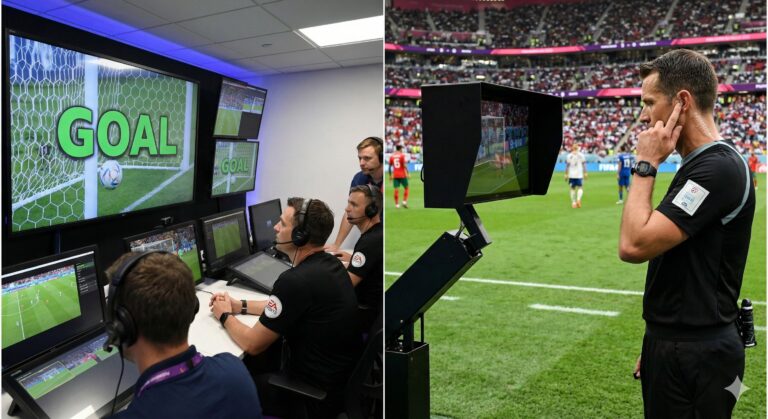
The encrypted radio communication systems used by match officials are a critical, yet often overlooked, piece of computer engineering on the football pitch. The use of open-mic communication systems for officiating teams became standard in major professional leagues around the mid-2000s, evolving rapidly from simple walkie-talkies to sophisticated, secure digital networks.
The main problem these systems solve is the difficulty of instantaneous, clear, and secure communication between officials spread across a large, noisy stadium. Before these systems, the referee, assistant referees, and the fourth official had to rely on hand signals, eye contact, and flags to communicate. This was slow, prone to misinterpretation, and impossible for complex discussions. In a stadium with 60,000 screaming fans, shouting is ineffective.
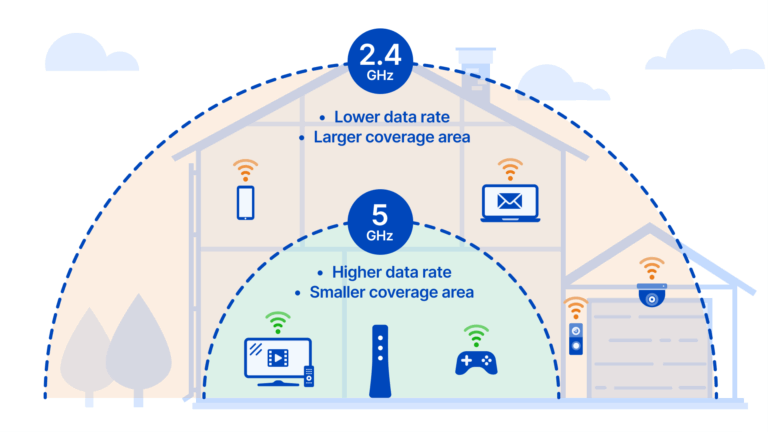
These communication systems make the sporting world better by enabling a constant, open-channel dialogue among the officiating team. The referee can instantly ask an assistant, “Did you see that handball?” or the fourth official can inform the referee about misconduct in the technical area without any delay. The systems use encrypted digital protocols to ensure that the channel is secure and cannot be listened into by broadcasters or fans. The hardware is engineered to be lightweight, sweat-resistant, and comfortable for 90 minutes of intense physical activity. From an engineering review, the modern referee communication system (standardized by systems like Vokkero) is a Full-Duplex, Time-Division Multiple Access (TDMA) digital radio network operating on license-free Sub-GHz ISM bands (typically 829–928 MHz) rather than the congested 2.4 GHz Wi-Fi spectrum. To achieve the “open mic” capability where all officials can speak simultaneously without pressing a button, the system utilizes a proprietary synchronized mesh protocol with GFSK (Gaussian Frequency Shift Keying) modulation to ensure signal robustness against multi-path fading in stadium architectures. The audio is sampled at 16 kHz (HD Voice) for clarity but is heavily processed by a hard real-time noise gate (an adaptive expander) to filter out 100dB+ crowd noise, all while maintaining a total system latency of <10 milliseconds and securing the channel with AES-128 digital encryption to prevent unauthorized eavesdropping.
The proof of their value is the seamless teamwork we now expect from officials. Complex decisions, like allowing play to continue after a foul to see if an advantage develops, are often coordinated verbally in real-time. The Tangible proof is the speed and coordination of the officiating team. While we don’t hear the data, the system’s reliability—operating with near-zero latency in a high-RF environment—is essential for the smooth running of the modern game, especially when coordinating with VAR. Without it, the collaborative decision-making required today would be impossible.

Comments :