



BioCLIP 2: NVIDIA’s AI Foundation Model That Can Identify Millions of Species
 Artificial intelligence is increasingly transforming scientific research, particularly in the field of biology. NVIDIA, in collaboration with researchers from academic and scientific institutions, has introduced BioCLIP 2, a powerful AI foundation model designed to analyze biological images and identify living organisms at an unprecedented scale. The model represents a major advancement in conservation research, ecological studies, and biodiversity monitoring.
A New Generation of Biology AI Models
BioCLIP 2 is a biology-focused foundation AI model trained using accelerated computing powered by NVIDIA GPUs. The model is built on one of the largest and most diverse datasets of organism images ever assembled, allowing it to recognize and classify an enormous range of species.
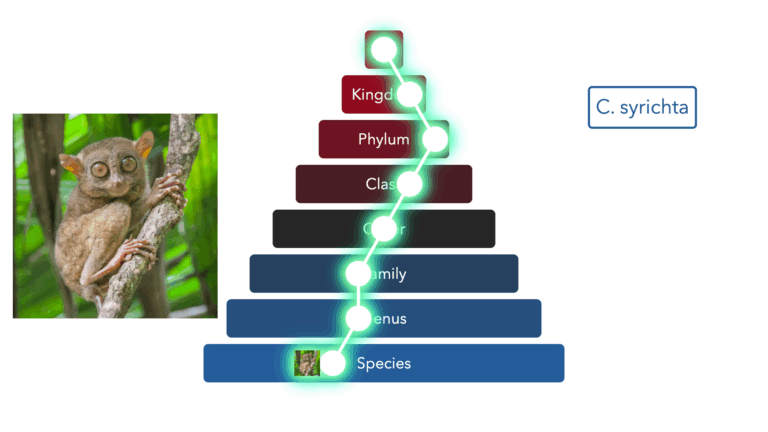
The AI system is capable of identifying more than one million species by analyzing visual characteristics and patterns from biological images. Beyond simple image recognition, BioCLIP 2 can analyze organism traits and determine relationships both within species and across different species.
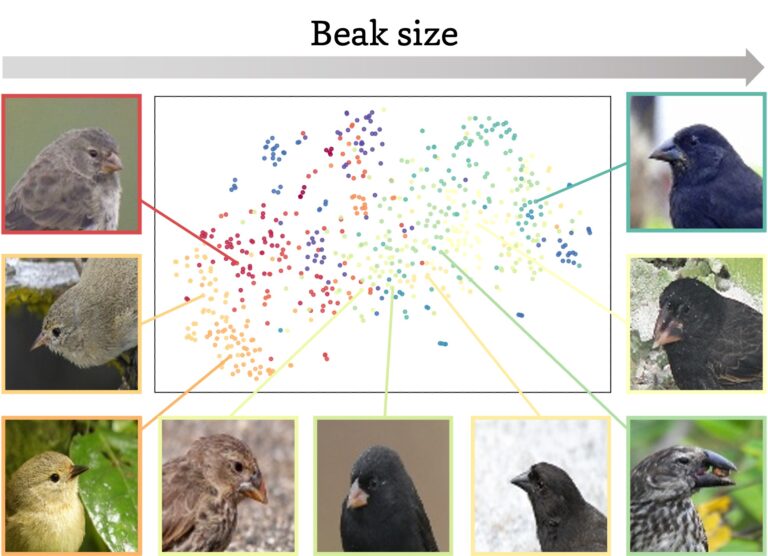
For example, researchers demonstrated that the model could group Darwin’s finches according to beak size, even without explicitly being trained to understand the concept of size. This ability highlights how large-scale AI models can develop deeper biological understanding through data-driven learning.
Training with Massive Biological Data
The strength of BioCLIP 2 comes from its large-scale training dataset known as TreeOfLife-200M, which contains hundreds of millions of biological images covering a vast range of organisms. This extensive dataset allows the model to learn complex biological patterns and improve its classification accuracy.
By leveraging large datasets and GPU-accelerated computing, BioCLIP 2 can uncover relationships between species, cluster organisms based on shared traits, and detect subtle variations within the same species. These capabilities significantly enhance how researchers study ecosystems and biodiversity.
Applications in Conservation and Scientific Research
BioCLIP 2 offers major potential benefits for environmental conservation and biological research. Scientists can use the model to identify species more efficiently, monitor wildlife populations, and analyze ecological patterns.
The AI system is especially valuable for studying species that lack sufficient data, helping researchers identify and track endangered animals and plants. By improving species recognition and ecological analysis, BioCLIP 2 supports conservation efforts and enables more accurate biodiversity monitoring.
Additionally, BioCLIP 2 can estimate biological characteristics such as age, sex, or health status based on visual data, providing researchers with deeper insights into species behavior and population dynamics.
Open Access and Research Collaboration
BioCLIP 2 is released under an open-source license and is available to the research community, allowing scientists and developers worldwide to use and further develop the technology. The model has already gained significant attention, with thousands of downloads from research platforms, demonstrating strong interest from the scientific and AI communities.
The development of BioCLIP 2 builds upon earlier AI research models and showcases how collaboration between AI engineers and biological scientists can accelerate discovery and innovation.
The Future of AI in Biology
BioCLIP 2 reflects the growing role of foundation AI models in scientific exploration. Unlike traditional machine learning models designed for specific tasks, foundation models can generalize across multiple applications by learning from large datasets. This enables researchers to apply the same AI model to various biological challenges.
As AI technology continues to evolve, models like BioCLIP 2 could transform how scientists study ecosystems, track environmental changes, and protect global biodiversity. The integration of AI with biological research marks a significant step toward data-driven conservation and advanced scientific discovery.
Source: https://blogs.nvidia.com/blog/bioclip2-foundation-ai-model/
Comments :