



Galaxy XR Looks Impressive — But the Big Problem Is: Nobody Needs It Yet
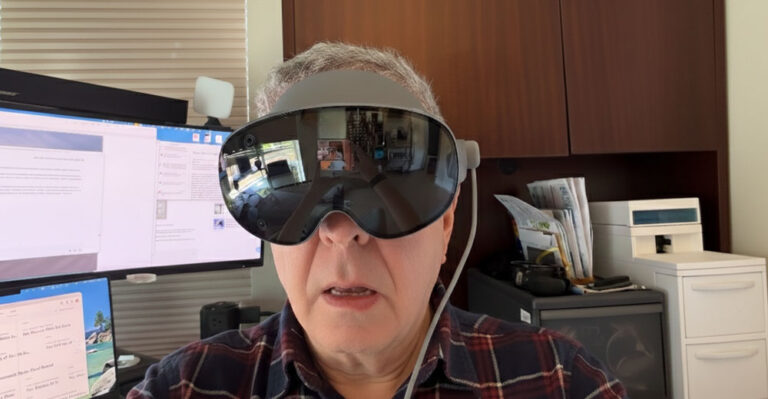
Samsung’s newly introduced Galaxy XR headset has generated excitement for its advanced technology and powerful capabilities. However, critics say there’s a fundamental issue: while the device is technically impressive, the current market isn’t ready for it. Many consumers aren’t sure they need such a product just yet — and the lack of compelling use cases could slow its adoption.
Cutting-Edge Tech With Big Promise
The Galaxy XR brings together high-end display quality, advanced sensors, and versatile mixed-reality features that combine virtual reality (VR) and augmented reality (AR). Samsung positions it as a standalone headset capable of gaming, productivity, and immersive media experiences — all without requiring a connected PC or console.
With features such as ultra-sharp visuals, intuitive tracking, and a comfortable design, the headset showcases what the next generation of extended-reality (XR) hardware can achieve. These technical achievements suggest a future where digital environments seamlessly blend with the real world in everyday computing tasks.
The Core Challenge: Lack of “Must-Have” Moments
Despite all the hardware power and polished design, analysts and reviewers argue that the Galaxy XR faces a core problem: there are very few compelling reasons for most people to buy one right now.
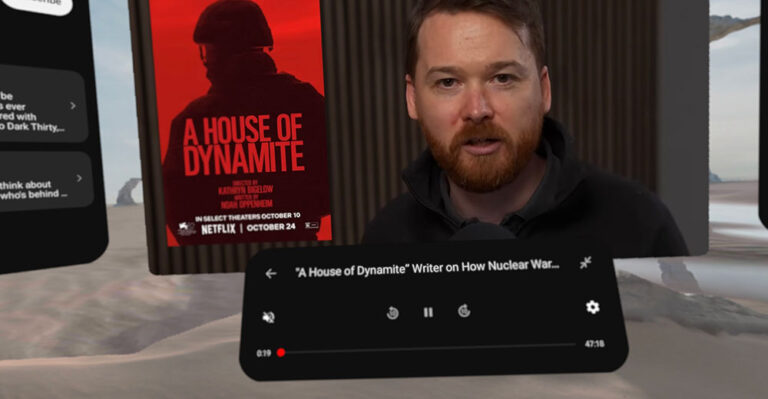
Unlike smartphones, laptops, or even traditional gaming consoles, AR/VR/XR devices haven’t yet offered a “killer app” — an application or experience so essential that it drives mass adoption. Most consumers still view XR hardware as a niche, experimental gadget rather than a necessary part of their daily digital life.
What’s Missing for Mainstream Adoption
Several factors contribute to this hesitancy:
1. Limited Everyday Use Cases
While immersive media and gaming are strong showcases, they appeal mainly to specific user segments. Practical productivity tools, social experiences, and mainstream applications for work and communication remain underdeveloped.
2. Cost vs. Value Perception
XR headsets are still relatively expensive compared to alternatives like tablets and smartphones. Without clear benefits that justify the cost, many potential buyers hesitate.
3. Consumer Awareness and Understanding
Many people still don’t fully understand what XR really is or how it could enhance their lives. The technology feels futuristic — but not yet essential.
Comparing to Past Consumer Electronics
This dilemma resembles early periods in the histories of other technologies. For example, early smartphones and internet devices once seemed like luxury gadgets until app ecosystems and everyday utility matured. However, XR still needs that watershed moment: a breakthrough application that delivers undeniable value.
Analysts say the potential is there — including uses in education, remote collaboration, enterprise training, and creative work. But until those experiences become standard and easy to access, XR may remain on the fringes of consumer tech.
Where XR Might Fit in the Future
Despite current challenges, the Galaxy XR still represents meaningful progress in XR hardware. Its technical capabilities lay groundwork for future innovation. As developers continue to build applications and platforms that harness immersive tech, XR hardware could one day move from novelty to necessity.
The key will be bridging the gap between high performance and real-world value. When XR begins solving everyday problems rather than just demonstrating technical prowess, adoption may finally grow — and devices like Galaxy XR could find a much broader audience.
Source: https://www.technewsworld.com/story/galaxy-xr-is-impressive-the-problem-is-nobody-needs-it-yet-180149.html
Comments :