



Unlocking the Power of FPGA: The Versatile Brain of Digital Systems
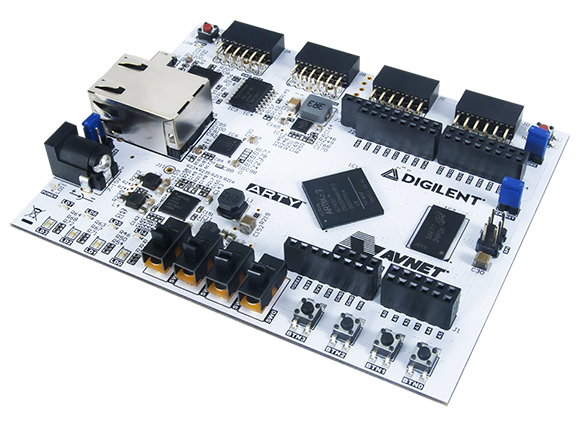
What is an FPGA?
Imagine a brain that can be reprogrammed to perform different tasks, similar to how you can change the settings on your smartphone to run different apps. This is what Field-Programmable Gate Arrays (FPGAs) are like. They are integrated circuits that can be programmed to perform a wide range of digital functions, making them incredibly versatile in the world of electronics.
How Does an FPGA Work?
Think of an FPGA as a collection of building blocks that can be connected and configured to create complex circuits. These building blocks are called logic cells, which can be programmed to perform specific functions. Here’s a step-by-step breakdown:
- Step 1: Design – Engineers use special software to design the circuit they want the FPGA to perform.
- Step 2: Programming – The designed circuit is then downloaded into the FPGA, configuring the logic cells to perform the desired functions.
- Step 3: Execution – Once programmed, the FPGA can run the circuit just like any other electronic device, but with the flexibility to change the circuit design at any time.
Why Are FPGAs So Versatile?
FPGAs are versatile because they can be reprogrammed to perform different tasks. This means that an FPGA can be used in a wide range of applications, from developing prototypes to creating custom digital systems for specific industries.
Where Do FPGAs Appear in Daily Life?
FPGAs are everywhere, from your smartphone to specialized equipment in industries like automotive, healthcare, and finance. For instance, you can find FPGAs in:
- Automotive Industry – For real-time processing in safety systems and infotainment systems.
- Healthcare – In medical imaging and diagnostic equipment.
- Finance – For high-frequency trading systems that require fast processing.
How Do Computer Engineering Students Learn and Use FPGAs?
Computer engineering students learn about FPGAs in courses such as digital systems, computer architecture, and embedded systems. They use FPGAs to:
- Prototype Designs – Quickly test and refine circuit designs before finalizing them.
- Embedded Systems – Develop custom hardware for embedded systems that require high performance and low power consumption.
- Real-World Applications – Apply theoretical knowledge to practical problems, gaining hands-on experience with cutting-edge technology.
By learning about FPGAs, students learn more about digital systems and the flexibility to innovate in a rapidly evolving field.
Comments :