


Edge AI Steals the Show at CES 2026
For years, using AI meant sending your data to a giant server somewhere, waiting for it to think, and getting an answer back. But what if your laptop, your car, or a robot could run AI by itself, instantly, without the internet? That idea is called edge AI, and at CES 2026 it was everywhere.
CES, the world’s biggest consumer tech show, takes place in Las Vegas every January. This year, the biggest chipmakers (Intel, AMD, and Qualcomm) all used the stage to show processors built to run AI directly on devices, from laptops to humanoid robots and cars. Here’s what they announced, how edge AI works, and why it’s a big deal for future computer engineers.
What Happened at CES 2026
Intel launched its Core Ultra Series 3 processors, code-named Panther Lake, the first high-volume product built on its new 18A manufacturing process. Its neural processing unit (NPU) delivers up to 50 TOPS, and together with the built-in graphics, the chip reaches up to 170 TOPS of AI computing. Intel also highlighted uses beyond laptops, including robotics, video analytics, and smart infrastructure.
AMD announced its Ryzen AI 400 Series on January 5, 2026, with an NPU of up to 60 TOPS in the top model. Laptops with these chips were scheduled to arrive from brands like Acer, ASUS, Dell, HP, and Lenovo in the first quarter of 2026.
Qualcomm went even broader. It introduced the Snapdragon X2 Plus for laptops with an 80 TOPS NPU, the Dragonwing IQ10 series for industrial robots and full-size humanoids, and a car controller for Chinese automaker Leapmotor that combines the cockpit, driver assistance, and body controls into one platform. As All About Circuits summed it up, the shared theme was moving AI processing and control onto efficient, integrated edge platforms.
The Tech Behind It: Edge AI and NPUs
In cloud AI, your device sends data to a remote data center, which runs the model and sends the result back. In edge AI, the model runs right where the data is created: on your laptop, phone, camera, car, or robot. That brings three big advantages: faster responses (no round trip over the internet), better privacy (your data stays on the device), and the ability to work offline.
The challenge is that edge devices have limited power and space. That’s where the NPU comes in. An NPU is a part of the chip designed specifically for the math that AI models use, so it can run AI tasks using far less energy than a regular CPU. Its speed is often measured in TOPS, or trillions of operations per second. When a chipmaker says 60 TOPS, it means the NPU can perform up to 60 trillion simple AI calculations every second.
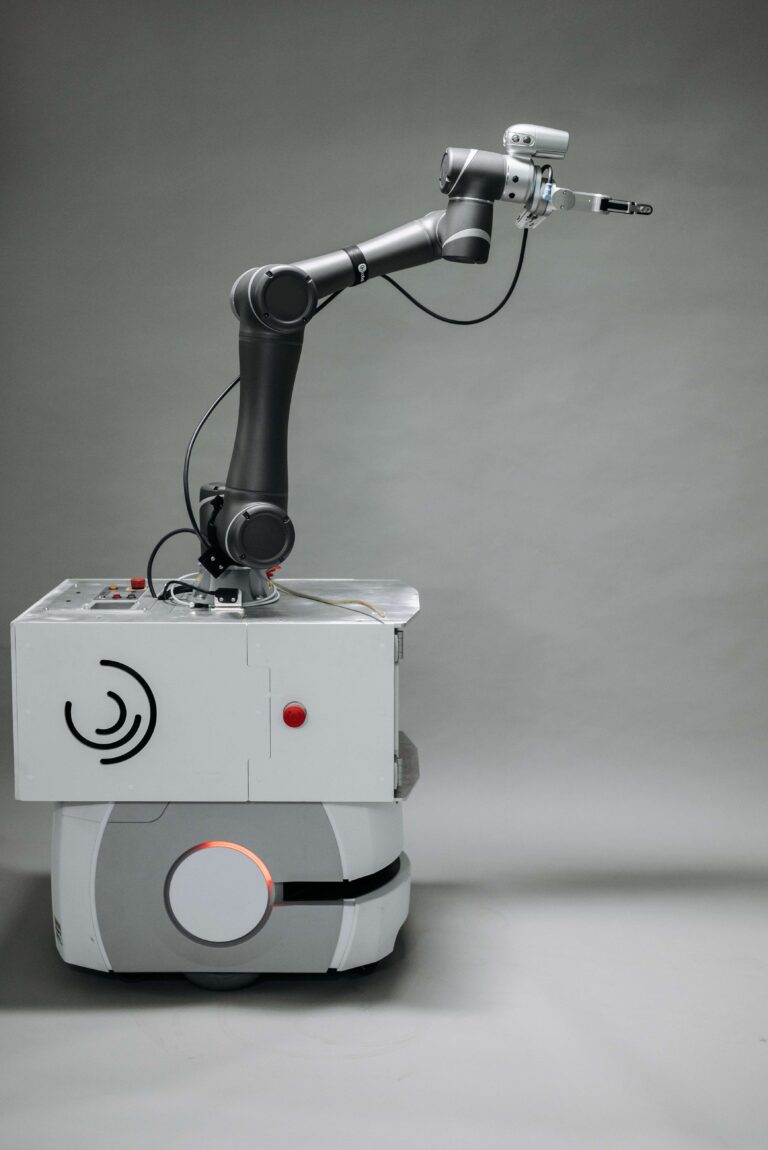
For robots and cars, timing matters even more. A robot arm or a driver-assistance system can’t wait for a reply from the cloud. It needs to see, decide, and act in milliseconds, which is why so much of the AI is moving into embedded chips inside the machine itself.
What It Means for Future Engineers
Edge AI sits right at the meeting point of hardware and software, which is the home ground of computer engineering. Getting an AI model to run well on a small device means understanding the chip’s architecture, managing memory and power carefully, and often shrinking or optimizing the model so it fits.
It also opens up many career paths. Engineers are needed to design the chips themselves, to build embedded systems for robots and smart devices, to write the firmware and drivers that connect AI to sensors and motors, and to integrate everything into products people actually use. Industries from manufacturing and healthcare to transportation and agriculture are all looking for these skills.
And you don’t need a factory to start. Affordable development boards with built-in AI accelerators let students experiment with edge AI projects, like smart cameras or voice-controlled devices, long before they graduate.
Key Takeaways
At CES 2026, Intel, AMD, and Qualcomm all pushed AI out of the cloud and onto devices. Intel’s Panther Lake reaches up to 170 TOPS of combined AI computing, AMD’s Ryzen AI 400 offers NPUs of up to 60 TOPS, and Qualcomm brought edge AI to laptops, humanoid robots, and cars. Edge AI means faster, more private, and more reliable AI, and it needs engineers who understand both chips and code.
Excited by the idea of building smart devices that think for themselves? The Computer Engineering program at BINUS University lets you dive into embedded systems, hardware design, and AI. Explore the program and start building the next generation of intelligent machines.
Comments :