



Digital Weight & AI Cable Machines: The Spotter That Never Sleeps
 The concept of “digital weight”—using electromagnetic resistance instead of gravity and metal plates—revolutionized home fitness with the launch of Tonal in 2018. While commercial cable machines had existed for decades, this was the first time sophisticated robotics and artificial intelligence were packaged into a sleek, wall-mounted unit for the consumer market. It marked the shift from “dumb iron” to “smart resistance,” allowing a single compact device to replicate an entire gym floor of equipment.
The main problem this device solves is the logistical and safety limitation of traditional strength training, especially for solo lifters. Traditional heavy lifting requires bulky racks, hundreds of pounds of plates, and most importantly, a human spotter to ensure safety during heavy lifts. Without a spotter, lifters often plateau because they are afraid to push their limits. Additionally, changing weights manually disrupts the flow of a workout and makes advanced techniques like “drop sets” difficult to execute alone.
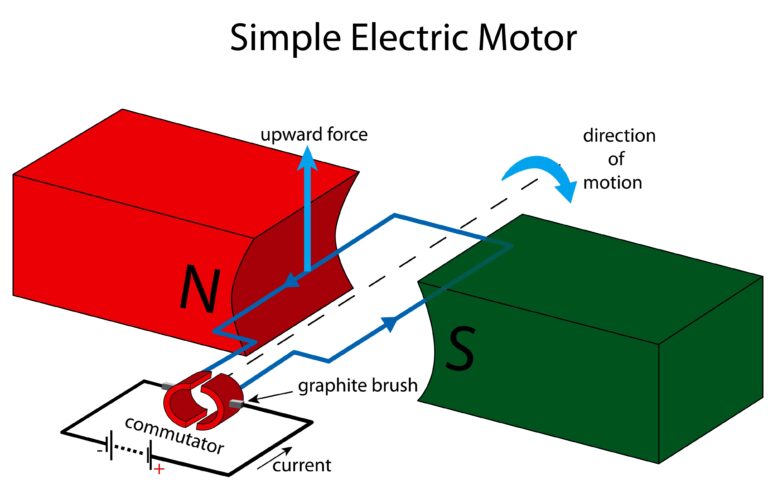
Digital weight machines make the fitness world better by integrating active AI spotting and dynamic resistance modes. The machine monitors the user’s force output thousands of times per second. If it detects the user struggling to complete a rep, it automatically lowers the weight to help them finish safely—effectively acting as a perfect spotter. Furthermore, it can add resistance only during the “negative” (eccentric) part of the lift, a technique proven to stimulate more muscle growth but nearly impossible to do correctly with standard dumbbells. The physics of digital weights subtitutes mass with magnetic torque, creating a resistance profile that eliminates the “cheating” effect of momentum found in traditional iron. In a standard 50kg lift, gravity dictates a constant baseline, but physics dictates that accelerating that mass upwards makes it transiently heavier, while the momentum at the top makes it significantly lighter. A digital motor eliminates this variance by monitoring the cable position 1,000 times a second and adjusting the electromagnetic current instantly to strip away inertia. For example, if you lift a 50kg dumbbell explosively, the initial pull might actually require 70kg of force to start, but near the top, the momentum could make it feel as light as 30kg, robbing the muscle of tension. The digital machine flattens this curve, ensuring the motor applies a perfect 50kg of resistance at every millimeter of the rep, regardless of speed, resulting in a higher net workload for the muscle.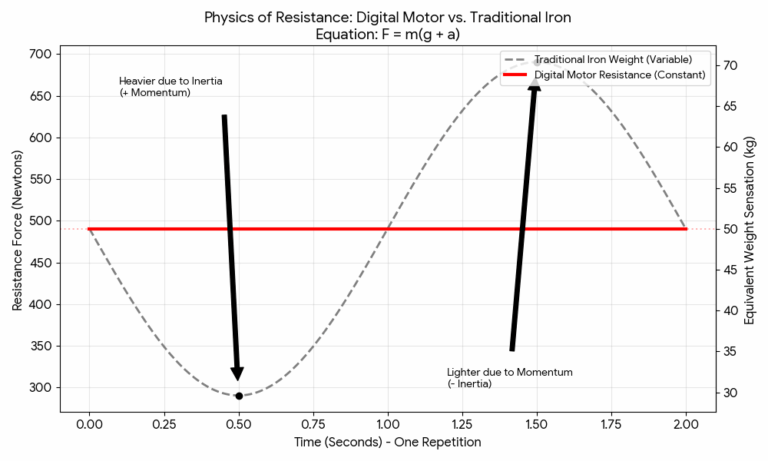
The proof of its effectiveness is found in the user data and rapid strength gains reported. Data from Tonal’s user base suggests that members increase their strength by an average of 25% within the first 90 days of using the system. The “Strength Score” metric provides tangible proof of progress, gamifying the experience. Moreover, because the machine eliminates inertia (momentum), every repetition is safer on the joints while maintaining constant tension on the muscles, leading to more efficient hypertrophy (muscle growth) in shorter sessions

Comments :