


Inside Indonesia’s EV Battery Ecosystem: From Nickel to Smart Batteries
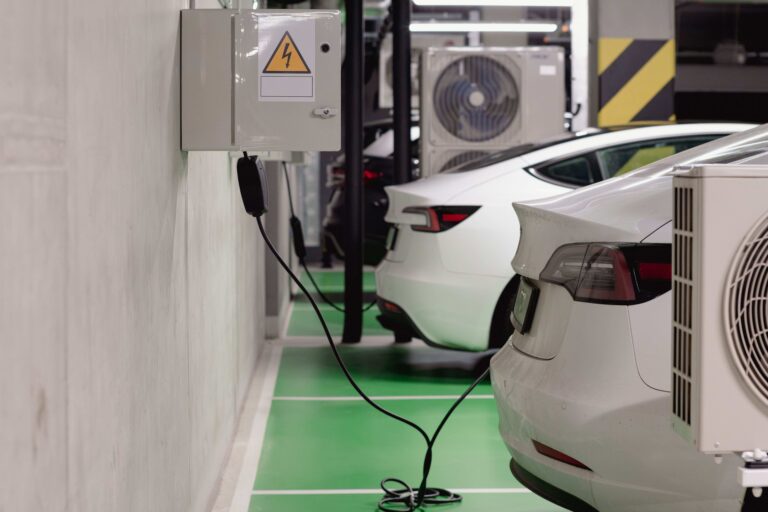
Electric scooters zipping through Jakarta, electric buses, and EV charging stations at malls are becoming a familiar sight. Indonesia now has more than 340,000 electric vehicles on the road, and that number has grown by over 140% a year for five years. Every one of them depends on a battery, the most valuable part of an EV.
Indonesia has a special advantage here: it holds some of the world’s largest nickel resources, a key battery material. The government wants to use that advantage to build a complete battery industry at home, from mining all the way to recycling. Here’s what’s happening in 2026, how EV batteries actually work, and where computer engineers fit into the picture.
What’s Happening
In January 2026, a consortium including state miner Antam, PT Industri Baterai Indonesia (IBI), and China’s Zhejiang Huayou Cobalt signed a framework agreement for an integrated EV battery project. According to ANTARA, it covers everything from mining and smelting in East Halmahera, North Maluku, to a battery plant in West Java, with a total capacity of 30 gigawatt-hours (GWh). Energy and Mineral Resources Minister Bahlil Lahadalia said the groundbreaking was targeted for the first half of 2026.
The industry also faces real challenges. A June 2026 analysis by the International Institute for Sustainable Development (IISD) noted that most EVs sold worldwide now use lithium iron phosphate (LFP) batteries, which don’t need nickel. That makes it important for Indonesia to stay flexible. IISD also pointed to permitting delays and the need for more charging infrastructure. That matters because, according to IISD, the battery accounts for about 40% of an EV’s total value.
Recycling is the next frontier. According to Shanghai Metals Market, Indonesia’s Ministry of Environment aims to finalize rules for a national battery management system in 2026 and establish the ecosystem by 2027. EV batteries last about 5 to 8 years, and battery waste is expected to peak around 2040. The plan includes collecting used batteries through dealers and workshops, giving them a “second life” when possible, and recycling the rest.
The Tech Behind It: More Than Just Chemistry
An EV battery pack is made of hundreds or thousands of small battery cells. Each cell stores energy through chemistry: lithium ions move between two electrodes as the battery charges and discharges. The cathode material decides much of the battery’s character. Nickel-rich cathodes store more energy for longer range, while LFP cathodes are cheaper, safer, and last longer, but store a bit less energy.
What many people don’t realize is that a modern battery is also a smart electronic system. Every pack has a battery management system (BMS), an embedded computer that constantly monitors the voltage, current, and temperature of the cells. It balances the cells so they charge evenly, estimates how much charge is left, protects the battery from overheating or overcharging, and communicates with the car’s other computers.
The BMS is also the key to recycling and “second life.” Data on how a battery has been used helps decide whether it’s healthy enough to be reused, for example, to store solar power for a home or a cell tower, or whether it should be recycled to recover valuable materials.
What It Means for Future Engineers
When people think of the battery industry, they often picture mines and chemical plants. But turning cells into safe, reliable, and smart products takes a lot of electrical and computer engineering. Engineers design the BMS hardware and firmware, build the charging systems and their communication protocols, and develop software that tracks battery health over its whole life.
Indonesia’s plans create many of these opportunities at home. Battery factories need automation, sensors, and quality-control systems. A national recycling ecosystem needs tracking systems that know where each battery is and what condition it’s in, which international markets increasingly expect too. Second-life batteries need smart controllers to store energy from solar panels and release it when needed.
If you’re interested in the EV world, you can start with small projects: build a simple battery monitor with a microcontroller and a voltage sensor, or learn how solar charge controllers work. These are the same core ideas, measurement, control, and communication, that power the batteries in every electric vehicle.
Key Takeaways
Indonesia has more than 340,000 EVs on the road and is building a full battery ecosystem, including a 30 GWh integrated project with Antam, IBI, and Huayou. The government is also preparing a national battery recycling system by 2027, ahead of a waste peak expected around 2040. Behind every battery is a smart battery management system, and building, monitoring, and recycling batteries all need skilled engineers.
Want to help power Indonesia’s electric future? The Computer Engineering program at BINUS University gives you skills in embedded systems, sensors, and control that the EV and energy industries rely on. Explore the program and start building cleaner technology.
Sources:
- Indonesia targets 2026 groundbreaking for Huayou EV battery project, ANTARA, 30 January 2026
- Mapping Indonesia’s Battery Electric Vehicle Ecosystem: Opportunities and challenges, IISD, 16 June 2026
- Indonesia prepares EV battery recycling ecosystem ahead of waste peak expected around 2040, Shanghai Metals Market, 6 September 2026
Comments :