

BINUS PreFYP Homecoming 2026 — Event Report
BINUS PreFYP Homecoming 2026 — Event Report
By BINUS Computer Engineering, BINUS Marketing, and BINUS IEEE Student Branch
· @Denzel
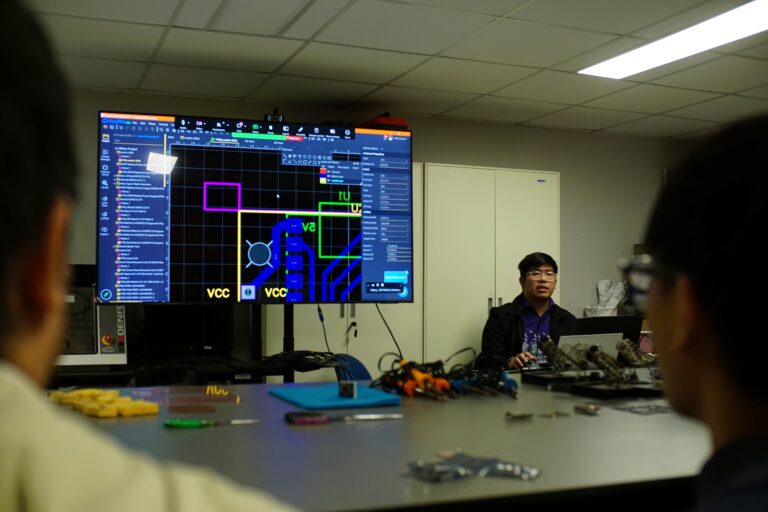
BINUS PreFYP Homecoming 2026, a joint initiative between BINUS Computer Engineering, BINUS Marketing, and the BINUS IEEE Student Branch, unfolded across three single-day sessions on May 22, June 18, and July 16, 2026, spread between the Kampus Anggrek and Kampus Syahdan campuses. Where Creative Bootcamp 2026 was built to reach students who hadn’t yet decided whether tech was for them, PreFYP Homecoming starts from a different premise: all 42 attendees had already been admitted into BINUS Computer Engineering, months before their official first day as students, but admission alone is not the same as commitment, and BINUS Marketing’s presence on the organizing team makes the stakes explicit. The event exists to sway them to stay, to turn an acceptance letter into a genuine sense of belonging before orientation ever begins, by giving admitted students a real, hands-on preview of the major they said yes to, rather than another round of brochures and open-house tours. Framed that way, ‘Homecoming’ is the right word for it; the goal was never to persuade strangers that Computer Engineering might suit them, but to welcome people who are already, on paper, part of the program, and make that feel true in practice before they ever set foot on campus as enrolled students.
The same core team that ran Creative Bootcamp carried PreFYP Homecoming: 20 personnel from the BINUS IEEE Student Branch and the Computer Engineering major, 10 of them freshmen, deployed across the three sessions to lead activities and work directly with attendees in small groups. Rather than compressing the material into one unbroken camp, the curriculum, AI in general, AI Agents, microcontroller application, an introduction to AutoCAD Fusion 360, an introduction to PCB making, and Electronic Devices, was spread across the three single-day sessions a month apart, giving each date room to go deeper into a slice of the material instead of rushing through all of it at once. That pacing mattered for a different reason than it did at Creative Bootcamp: these were not strangers being converted session by session, but admitted students returning three times over three months, each visit meant to deepen a relationship with the department and the people in it rather than build toward a single finish line.
Unlike Creative Bootcamp, PreFYP Homecoming closed each session without a judged pitch or a scholarship on the line, and that was deliberate: these 42 students had already earned their place, so the point was never to make them compete for it again. Instead, each session gave them direct, informal access to the people and spaces that would define their next four years, building something with their hands alongside current Computer Engineering students and IEEE Student Branch members, asking the unscripted questions that only come up when nobody’s being judged, and getting an honest look at campus life at both Kampus Anggrek and Kampus Syahdan. What replaced the competitive edge was repetition and familiarity: by the third session in mid-July, many of the same students were returning to the same campuses and often the same mentors, and that kind of recurring, low-stakes contact is exactly what turns a conditional ‘yes’ on an admission form into a student who shows up on day one already knowing where the good study spots are.
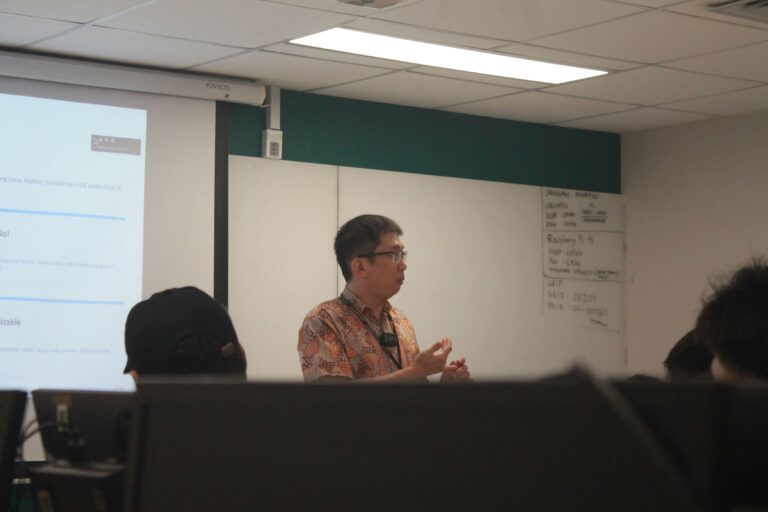
As counselor across all three PreFYP Homecoming sessions, I found myself watching the same personnel I’d supervised at Creative Bootcamp step into a noticeably different role, and handle it just as well. Running a competitive camp and hosting a homecoming ask for different instincts: the first rewards drive and precision, the second rewards warmth and patience, the willingness to answer the same nervous question about ‘what Computer Engineering is actually like’ for the fifth time that day without sounding rehearsed. Our 20 personnel, again half of them freshmen barely a year ahead of the students they were welcoming, carried that shift naturally, trading the structured mentor role for something closer to being genuine hosts and near-peers, which is arguably the harder job. Watching freshmen welcome future freshmen back to a campus they themselves had only just started calling home was, quietly, one of the more affecting parts of this program, and it said as much about the culture we’re building in Computer Engineering as it did about the 42 students we were trying to keep.
Taken together, the three sessions of BINUS PreFYP Homecoming 2026 were less a single event than a sustained, three-month effort to make 42 admitted students feel like they already belonged to BINUS Computer Engineering before their first official day, and to give BINUS Marketing and the department a real answer to the quiet risk that sits behind every admission: that an acceptance doesn’t guarantee an enrollment. For an IEEE Student Branch and a marketing team working side by side, that is exactly the kind of collaboration worth documenting well, technical substance and genuine hospitality aimed at the same outcome, delivered by a personnel team that proved, for the second program running, that they can carry very different kinds of responsibility equally well. As with the Creative Bootcamp report, photo documentation and the relevant social media links from all three sessions will be attached as they become available, and the strongest open question worth carrying forward is simple: of the 42 students who kept coming back, how many show up on their actual first day, since that number is the real measure of whether this homecoming did its job.
To understand whether the homecoming actually landed, we also looked at the post-session feedback: 40 valid responses collected across the three dates (one clear test submission was excluded) from 20 of the 42 admitted students, with a near-even split between the 16 who joined onsite and the 22 who logged in online. The most telling number in that data isn’t attendance, it’s geography: exactly half of the 40 responses came from outside Jabodetabek, from students dialing in from as far as Lombok, Jambi, Pekanbaru, and Mataram, which means the online track wasn’t a fallback option but the only realistic way for a meaningful share of admitted students to show up at all. Repeat engagement told its own story too: eleven of the submissions came from students attending all three sessions, several returning a third time by name, including Jeremiah Diego David, Janssen Meyer Suryadi, and Muhammad Yusra Abdul Ghani, exactly the kind of recurring contact the homecoming format was designed to produce. When asked what they actually wanted out of the labs, the answers were overwhelmingly hands-on: hardware assembly and troubleshooting topped the list at 33 mentions, ahead of microcontroller basics, circuit simulation, and IoT project work, confirming that the curriculum’s hardware-heavy slant was exactly what this audience showed up for. But the most quietly convincing line in the entire dataset came from a student explaining why he chose Computer Engineering at all: he had originally wanted Electrical Engineering, found BINUS doesn’t offer it, and picked Computer Engineering instead because it covers much of the same ground, a reminder that this program isn’t only welcoming students who already chose BINUS, it is actively winning over students who very nearly chose somewhere else.
Comments :